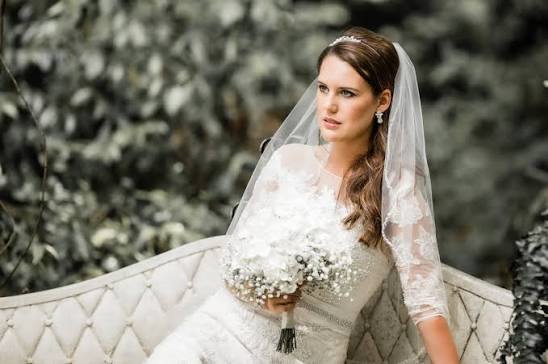
Individual portrait photography is more than simply taking a picture of a person. It is an art form that captures personality, emotions, confidence, and individuality in a single frame. Whether the portrait is intended for professional branding, social media, family keepsakes, or personal milestones, a well-crafted portrait tells a unique story about its subject.
In today’s digital world, high-quality portraits have become increasingly valuable. From business professionals and entrepreneurs to students, artists, and influencers, everyone benefits from professional portrait photography that creates a strong first impression. This article explores the importance of individual portrait photography, its benefits, preparation tips, photography techniques, and how to choose the right photographer.
What Is Individual Portrait Photography?
Individual portrait photography focuses on capturing a single person’s appearance, expressions, and personality. Unlike group photography, the photographer’s full attention is dedicated to one subject, allowing greater creativity and attention to detail.
Portrait sessions can be conducted in various settings, including:
- Professional photography studios
- Outdoor parks
- Urban environments
- Beaches
- Offices
- Homes
- Natural landscapes
Each location offers a unique atmosphere that complements the subject’s personality and purpose.
Why Individual Portrait Photography Matters
Professional portraits serve many important purposes beyond preserving memories.
Creates a Strong First Impression
Whether used on a company website, LinkedIn profile, business card, or personal portfolio, a professional portrait immediately communicates confidence, credibility, and professionalism.
Celebrates Personal Milestones
Portrait photography is often used to commemorate important life events, including:
- Graduations
- Birthdays
- Career achievements
- Personal transformations
- Retirement
- New businesses
These photographs become lasting reminders of meaningful moments.
Builds Personal Branding
Entrepreneurs, freelancers, influencers, and executives rely on professional portraits to strengthen their personal brands. A polished image helps establish trust with clients and audiences.
Preserves Memories
Portraits capture expressions, emotions, and personalities that family members can treasure for generations.
Types of Individual Portrait Photography
Individual portrait photography includes several specialized styles.
Professional Headshots
Business headshots are designed for corporate websites, resumes, LinkedIn profiles, and professional networking.
Lifestyle Portraits
Lifestyle portraits capture people in natural environments performing everyday activities, creating relaxed and authentic images.
Creative Portraits
Creative portraits use dramatic lighting, unique locations, artistic styling, and imaginative concepts to produce visually striking photographs.
Environmental Portraits
These portraits place the subject within their work or personal environment, such as an artist in a studio or a chef in a kitchen, adding context and storytelling.
Fine Art Portraits
Fine art portraits emphasize creativity and artistic expression, often using advanced lighting, styling, and post-processing techniques.
Preparing for a Portrait Session
Preparation plays a significant role in achieving excellent results.
Choose the Right Clothing
Select outfits that reflect your personality while remaining comfortable.
Helpful tips include:
- Wear solid colors.
- Avoid distracting patterns.
- Choose well-fitted clothing.
- Coordinate accessories carefully.
- Bring multiple outfit options if possible.
Neutral colors often create timeless portraits.
Grooming
Proper grooming enhances the final images.
Before the session:
- Get adequate sleep.
- Style your hair.
- Maintain natural makeup.
- Trim facial hair if desired.
- Moisturize your skin.
Small details contribute significantly to professional-looking portraits.
Discuss Goals
Communicate with your photographer about the intended use of the portraits.
Examples include:
- Business branding
- Social media
- Personal keepsakes
- Marketing materials
- Dating profiles
- Editorial publications
Understanding your objectives allows the photographer to tailor the session accordingly.
Importance of Lighting
Lighting is one of the most important elements in portrait photography.
Natural Light
Outdoor portraits often use soft natural light during the early morning or late afternoon to create flattering skin tones and gentle shadows.
Studio Lighting
Professional studios use controlled lighting equipment to achieve consistent results regardless of weather conditions.
Lighting techniques may include:
- Softboxes
- Beauty dishes
- Reflectors
- Rim lighting
- Backlighting
Proper lighting highlights facial features while minimizing unwanted shadows.
Choosing the Right Background
Background selection influences the overall mood of the portrait.
Popular options include:
- Solid studio backdrops
- Urban architecture
- Parks
- Forests
- Beaches
- Historic buildings
- Home interiors
The background should complement rather than distract from the subject.
Posing Tips
Many people feel nervous in front of the camera, but professional photographers guide clients through comfortable and flattering poses.
Helpful posing suggestions include:
- Relax your shoulders.
- Maintain good posture.
- Keep hands natural.
- Smile genuinely.
- Focus on breathing.
- Slightly angle your body rather than facing the camera directly.
Natural expressions often produce the most compelling portraits.
Camera Equipment Used
Professional portrait photographers use specialized equipment to maximize image quality.
Common gear includes:
- Full-frame cameras
- Prime portrait lenses
- Telephoto lenses
- Professional lighting systems
- Reflectors
- Tripods
- Wireless flash triggers
High-quality equipment allows photographers to produce sharp, detailed images with beautiful background blur.
Image Editing
Post-processing enhances portraits while maintaining a natural appearance.
Editing may include:
- Color correction
- Skin retouching
- Exposure adjustment
- Background cleanup
- Contrast enhancement
- Cropping
- Sharpening
Professional editing improves image quality without making the subject appear unrealistic.
Choosing the Right Portrait Photographer
Finding the right photographer is essential for achieving outstanding results.
Consider the following:
Portfolio
Review previous work to ensure the photographer’s style matches your preferences.
Experience
Experienced photographers understand lighting, posing, and composition more effectively.
Reviews
Customer testimonials provide insight into professionalism and overall client satisfaction.
Communication
Choose someone who listens carefully to your goals and makes you feel comfortable throughout the session.
Pricing
Compare packages based on included services such as editing, print rights, and session length rather than price alone.
Benefits of Professional Portrait Photography
Professional portraits offer numerous long-term advantages.
These include:
- Enhanced personal branding
- Improved professional image
- Greater confidence
- High-quality marketing materials
- Lasting family memories
- Increased social media engagement
- Better networking opportunities
A professionally created portrait often becomes one of your most valuable personal assets.
Conclusion
Individual portrait photography is much more than capturing a person’s appearance—it tells a story through expression, lighting, composition, and emotion. Whether you need professional headshots, creative portraits, lifestyle images, or personal keepsakes, investing in high-quality portrait photography creates lasting value.
By preparing properly, choosing an experienced photographer, selecting appropriate clothing, and communicating your goals, you can achieve portraits that truly reflect your personality and confidence. A great portrait is more than just a photograph; it is a timeless representation of who you are, preserving important moments and helping you make a memorable impression wherever your image is seen.